
Regional vision, goals & strategies
REGIONAL VISION
Regional Vision
Northwest Georgia strives to become a region where economic opportunities are available for all citizens; where our natural resources are used wisely and conserved for future generations; where community facilities and services support the needs of everyone; where cooperation among the public, private, and non-profit sectors is commonplace, and where citizens have opportunities to enjoy a healthy and productive life.
Regional Goals & Strategies
Matching the themes identified in the SWOT Analysis, the regional goals in Norwest Georgia’s Comprehensive Economic Development Strategy are organized into five broad categories:
- Human Capital
- Community Assets
- Essential Infrastructure
- Business Climate
- Resiliency
These categories are associated with regional goals and appropriate strategies in the following section of the document.

REGIONAL GOALS AT A GLANCE
Human Capital
- Workforce Skills: Increase the number of residents skilled in advanced manufacturing in order to meet current and changing needs of northwest Georgia employers.
- Educational Attainment: Expand the number of students in the region that are prepared for future employment in skilled and professional positions through enhanced educational opportunities and active career counseling.
- Human Services: Ensure appropriate human services are available to meet the needs of the region’s current and future workforce.
Community Assets
- Tourism and Film Industry: Increase tourism, visitor spending, and revenue earned from the film industry in northwest Georgia.
- Quality of Life: Enhance quality of life amenities in the region to retain talent and gain a competitive advantage when recruiting new businesses and industry.
- Housing: Ensure adequate housing is available to meet the needs of the northwest Georgia workforce, which is attainable, decent, and safe.
Essential Infrastructure
- Industrial Properties: Ensure northwest Georgia has sufficient, ready to develop industrial properties available to meet the region’s current and future needs.
- Transportation: Advocate for transportation projects that are critical for regional economic development.
- High Speed Internet: Increase coverage and accessibility of high-speed internet for residential, commercial, and industrial areas, with a focus on rural areas.
- Traditional Infrastructure: Ensure communities in the region have adequate basic infrastructure to implement their community and economic development objectives.
Business Climate
- Increase entrepreneurship and innovation by supporting business development in existing and emerging sectors.
Resiliency
- Disaster Mitigation and Preparedness: Ensure that all communities have updated hazard mitigation plans and are prepared for natural disasters.
- Communications During Economic Downturn or Emergency: Ensure adequate communication infrastructure between local governments and economic development organizations during economic downturns.
- Resilient Workforce: Ensure that education and workforce training are suitable to allow workers to easily switch jobs and get broader skill sets.
- Industrial Diversity: Achieve sufficient industrial diversity to minimize the impacts to the regional economy of a downturn in any given industry sector.
GOAL 1: HUMAN CAPITAL
Attracting, developing, and retaining talent is critical in sustaining and growing the economy of northwest Georgia. The region should pursue a workforce strategy that ensures the labor force possesses the skills and education necessary to meet current and future needs of employers. Strengthening workforce skills will improve economic vitality benefiting both workers and companies. A healthy, skilled, and ready workforce improves the overall resiliency and adaptability of the region’s communities.

GOAL 1.1 – WORKFORCE SKILLS
Increase the number of residents skilled in advanced manufacturing in order to meet current and changing needs of northwest Georgia employers.
Strategies
TACTIC 1
Develop education campaigns that change parental and educational staff mindset and perception of the manufacturing industry.
TACTIC 2
Continue to expand robotic and Science, Technology, Engineering, Arts and Mathematics (STEAM) programs into middle schools that connects with real world applications. Support the expansion of STEAM programs and STEAM labs at the secondary school level.
TACTIC 3
Ensure workforce curriculum in middle and secondary schools are targeted to appropriate students.
TACTIC 4
Support efforts to expand apprenticeships, internships, and on-the-job training programs.
TACTIC 5
Support programs that assist residents with completing apprenticeships, on-the-job training programs, certifications, technical degrees, and post-secondary education in high demand areas.
TACTIC 6
Ensure the current and future workforce, of all age groups, are prepared for jobs of the future by obtaining necessary education and training.
GOAL 1.2 – EDUCATIONAL ATTAINMENT
Expand the number of students in the region that are prepared for future employment in skilled and professional positions through enhanced educational opportunities and active career counseling.
STRATEGIES
TACTIC 1
Support programs that increase high school graduation rates, attendance at technical colleges, and enrollment in traditional colleges and universities.
TACTIC 2
Develop exploratory pathways at the secondary school level to allow students to explore different paths before committing to a particular area/career.
TACTIC 3
Encourage students planning to attend colleges and universities to acquire credentials in academic areas in which a knowledge gap is anticipated due to northwest Georgia’s aging population.
TACTIC 4
Establish new College and Career Academies (CCA) in areas that are currently underserved and offer more CCA type classes in traditional high schools.
TACTIC 5
Foster greater cooperation between College and Career Academies and traditional high schools. Encourage school jurisdictions within the same county to cooperate in developing a single college and career academy, where appropriate. Advocate for full-time-equivalent (FTE) funding revisions that would help facilitate greater levels of cooperation.
TACTIC 6
Assist students at the secondary school level with matching their individual aptitudes and interests to appropriate career pathways that prepare them for jobs of the future.
GOAL 1.3 – HUMAN SERVICES
Ensure appropriate human services are available to meet the needs of the region’s current and future workforce.
STRATEGIES
TACTIC 1
Support programs that remove barriers to participation in the workforce (such as childcare, affordable healthcare, and public transportation).
TACTIC 2
Support programs aimed at attracting, engaging, and retaining workforce entry populations in northwest Georgia’s communities.
TACTIC 3
Assess and address needs unique to the region’s special population; this initiative should:
- Ensure appropriate housing options are available
- Work with local employers to create positions to provide a source of income for those able to work
- Address transportation needs of this segment of our population.r, sewer, and transportation infrastructure.
GOAL 2: COMMUNITY ASSETS
Cultural and natural resources, quality of life improvements, thriving downtowns, quality medical facilities, and abundant agricultural lands are assets that northwest Georgia’s communities should leverage for greater economic development potential. Northwest Georgia has rich cultural heritage and abundant natural treasures. The region’s natural and cultural resources contribute to the area’s sense of identity and can provide a basis for sustainable, place-based economic development. The development and promotion of these natural and cultural assets has the potential to become a critical economic driver for northwest Georgia, especially in the tourism and film industries.
GOAL 2.1 – TOURISM & FILM INDUSTRY
Increase tourism, visitor spending, and revenue earned from the film industry in northwest Georgia.
STRATEGIES
TACTIC 1
Encourage and assist communities in participation in Georgia’s Camera-Ready Communities program, which connects film and TV productions with skilled county liaisons across the state to provide local expertise and support.
TACTIC 2
Support occupations related to Georgia’s film and digital media economy and expand educational programs associated with the industry.
TACTIC 3
Encourage collaborative marketing among the various communities and tourism destinations to create synergy to attract greater visitation.
TACTIC 4
Compile and continue to update an exhaustive list of tourism resources available by county and market for promotion utilizing currently available resources.
TACTIC 5
Support tourism initiatives by educating the public on the positive impact tourism brings to the region, increase funding for tourism, and market the region’s tourism assets to further strengthen Georgia’s economy.

GOAL 2.2 – QUALITY OF LIFE
Enhance quality of life amenities in the region to retain talent and gain a competitive advantage when recruiting new businesses and industry.
STRATEGIES
TACTIC 1
Enhance and expand community parks, amphitheaters, trails, and recreation programs to retain talent and attract investment in the area.
TACTIC 2
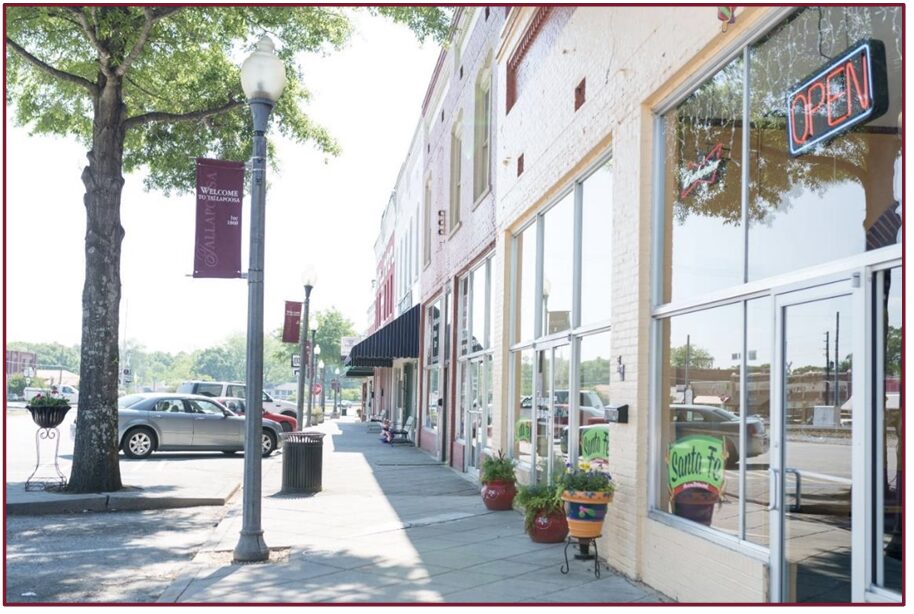
Implement public art programs to improve downtowns and public spaces and enhance the local economy. Support concerts, festivals, and special events in city- and town-centers that attract all sectors of the population to the region’s downtown areas.
TACTIC 3
Develop, implement, and enforce land use policies that balance economic competitiveness and resiliency with cultural and natural resource preservation.
GOAL 2.3 – HOUSING
Ensure adequate housing is available to meet the needs of the northwest Georgia workforce, which is attainable, decent, and safe.
STRATEGIES
TACTIC 1
To foster growth and job creation/retention across the region, ensure that attainable housing is readily available for all income levels.
TACTIC 2
Create an Attainable Housing Taskforce with members from each county to assess housing issues and create a regional housing implementation plan.
TACTIC 3
Support local efforts to improve workforce housing.
TACTIC 4
Encourage private developers to construct new workforce and attainable housing in underserved areas. Promote the housing tax credit and other state and federal housing programs that encourage private investment in workforce housing.
TACTIC 5
Determine barriers to affordable housing construction (i.e., restrictive zoning and land use regulations) and mitigate these barriers.

GOAL 3: ESSENTIAL INFRASTRUCTURE
To remain competitive in the global economy, northwest Georgia communities must continue to maintain, improve, and expand infrastructure necessary for economic growth. Essential infrastructure for economic development includes both above-ground and below-ground facilities, such as transportation, utilities, and broadband. Ready to develop properties are also vital for continued industrial growth.
GOAL 3.1 – INDUSTRIAL PROPERTIES
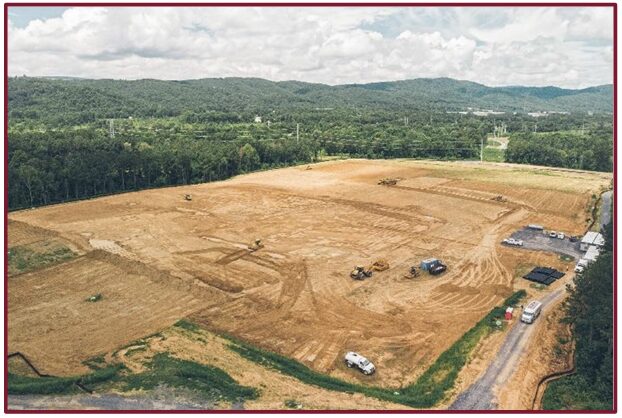
Ensure northwest Georgia has sufficient, ready to develop industrial properties available to meet the region’s current and future needs.
STRATEGIES
TACTIC 1
Identify properties that are appropriate for development or redevelopment as industrial sites or as industrial parks.
TACTIC 2
Identify funding mechanisms to provide utilities (such as water, sewer, natural gas, and fiber) for future industrial development.
TACTIC 3
Develop a campaign, through the local development authorities, that can be utilized in each county to educate the public and elected officials on Georgia Ready for Accelerated Development (GRAD) sites to include:
- What is GRAD
- The benefits of GRAD certification
- Funding options to certify GRAD property
TACTIC 1
Identify properties that are appropriate for development or redevelopment as industrial sites or as industrial parks.
TACTIC 2
Identify funding mechanisms to provide utilities (such as water, sewer, natural gas, and fiber) for future industrial development.
TACTIC 3
Develop a campaign, through the local development authorities, that can be utilized in each county to educate the public and elected officials on Georgia Ready for Accelerated Development (GRAD) sites to include:
- What is GRAD
- The benefits of GRAD certification
- Funding options to certify GRAD property
GOAL 3.2 – TRANSPORTATION
Advocate for transportation projects that are critical for regional economic development.
STRATEGIES
TACTIC 1
Plan for and invest in Electronic Vehicle (EV) readiness. Identify funding mechanisms to provide EV charging stations throughout the region. Advocate for projects that support electric vehicle charging stations for residential use and businesses that align with local community and economic development strategies
TACTIC 2
Encourage state and local governments to support and pursue options that increase the availability of transportation funding (including consideration of Transportation Special Purpose Local Option Sales Tax (TSPLOST) referendums).
Support investments in multi-modal transportation systems that strengthen connections to regional, national, and global markets.
TACTIC 4
Form and participate in a regional transportation coalition to advocate for vital projects in northwest Georgia.
- Focus advocacy on appropriate transportation networks leading to and from the Appalachian Inland Port.
- Continue to advocate for the development of safe, efficient, and reliable East-West transportation corridors.
TACTIC 5
Encourage local transit providers to focus on efficiently connecting people to jobs and services.

GOAL 3.3 – HIGH SPEED INTERNET
Increase coverage and accessibility of high-speed internet for residential, commercial, and industrial areas, with a focus on rural areas.
STRATEGIES
TACTIC 1
Support efforts of local governments and school districts to ensure all students have access to high-speed internet service to enable students to complete assignments at home and advance their educational attainment.
TACTIC 2
Identify resources to support the expansion of high-speed internet and other telecommunication infrastructure to all communities in the Northwest Georgia Region.
TACTIC 3
Identify existing assets and service providers to foster public/private partnerships to pursue expansion opportunities.
GOAL 3.4 – TRADITIONAL INFRASTRUCTURE
Ensure communities in the region have adequate basic infrastructure to implement their community and economic development objectives.
STRATEGIES
TACTIC 1
Identify areas with aging infrastructure and assist communities with developing a plan and identifying funding mechanisms for replacement.
TACTIC 2
Ensure each community has adequate water and wastewater treatment capacity to allow for anticipated commercial growth and industrial development.
TACTIC 3
Extend water and sewer infrastructure to areas in northwest Georgia where commercial and industrial development are appropriate and anticipated.
GOAL 4: BUSINESS CLIMATE
Fostering an attractive environment for economic growth is essential to creating jobs, improving living standards, and financing necessary public services. Northwest Georgia communities should promote a strong business climate that supports entrepreneurial and business development in existing and emerging sectors. A business climate that supports both small-scale and large enterprises is critical for economic growth, innovation, and resiliency.
GOAL 4.1 – IMPROVED BUSINESS CLIMATE
Increase entrepreneurship and innovation by supporting business development in existing and emerging sectors.
STRATEGIES
TACTIC 1
Support efforts to foster and grow Northwest Georgia’s Electronic Vehicle (EV) economy.
TACTIC 2
Ensure the Northwest Georgia Region’s ability to compete globally by supporting sound regulatory practices and a favorable tax environment that enables further economic development growth in manufacturing, tourism, entrepreneurs, and small business start-ups.
TACTIC 3
Develop Business Centers to act as incubators and accelerators providing business development services and space for entrepreneurs in the region to aid with entrepreneurship and innovation. Consider merits of the “Georgia Southern” model which provides an innovation network with physical locations that foster innovation in small communities.
TACTIC 4
Improve access to capital for entrepreneurs, start-up companies, and innovative expansions that focus on emerging markets.
TACTIC 5
Create “resource page” to enhance access to existing small business resources (i.e., Small Business Development Centers, Chambers of Commerce, and business mentors).
GOAL 5: RESILIENCY
The Economic Development Administration defines economic resiliency as “the ability of a region or community to anticipate, withstand, and bounce back from any type of shock, disruption, or stressor.” This definition includes not only natural disasters and hazards such as hurricanes and tornados, but also man-made economic disruptions such as widespread layoffs or quarantines due to an infectious disease. Economic resiliency is important because it allows for quicker recovery from economic downturns, reducing the harm caused to the community.
There are several common methods for achieving resiliency. Some of these methods include plans and strategies to define and implement a collective vision for resilience, preparing for natural disasters, broadening the industrial base so the regional economy is not over-reliant on any one industry sector, and building a workforce that can easily shift between different types of jobs.
GOAL 5.1 – DISTASTER MITIGATION & PREPAREDNESS
Ensure that all communities have updated hazard mitigation plans and are prepared for natural disasters.
STRATEGIES
TACTIC 1
Update hazard mitigation plans where necessary.
- Examine county hazard mitigation plans to ensure they are current and address all likely disasters
- Develop a strategy for implementing projects listed in local hazard mitigation plans.
TACTIC 2
Ensure critical infrastructure is reliable and resilient.
- Investigate current infrastructure for reliability and resiliency and improve any deficiencies found
- Ensure water and wastewater systems are resilient as well as interconnected when feasible
- Ensure energy production and transmission infrastructure is resilient and adequate for changing weather conditions
- Install backup generators on all critical infrastructure

GOAL 5.2 – COMMUNICATIONS DURING ECONOMIC DOWNTURN OR EMERGENCY
Ensure adequate communication infrastructure between local governments and economic development organizations during economic downturns.
STRATEGIES
TACTIC 1
Ensure that local governments and economic development organizations are familiar with each other.
TACTIC 2
Ensure that local governments and economic development organizations have an easy way of getting together and communicating.
- Collaborate to determine the most effective way of communicating during emergencies
- Arrange to have the chosen methods available when emergencies happen
GOAL 5.3 – RESILIENT WORKFORCE
Ensure that education and workforce training are suitable to allow workers to easily switch jobs and get broader skill sets.
STRATEGIES
TACTIC 1
Work with local schools and organizations on retraining programs.
TACTIC 2
Advertise existing programs (such as those run by Workforce Innovation and Opportunity Act (WIOA).
TACTIC 3
Promote incentives that encourage students to enter high demand careers.
GOAL 5.4 – INDUSTRIAL DIVERSITY
Achieve sufficient industrial diversity to minimize the impacts to the regional economy of a downturn in any given industry sector.
STRATEGIES